Sunday, July 21, 2013

Module Nine - Art Making/Material Exploration Drawings - Exploring Line


1. What was it like using your hand as subject matter for a drawing?
2. What media did you select - pencil or charcoal? Why?
3. How did it feel to create a drawing with your non-dominant hand?
4. Compare and contrast your final drawings. Do you think they are successful studies?
5. Would you consider using your non-dominant hand to create artwork in the future?

Using my hand as my subject matter was nothing special to me. I didn't make me feel anything like angry or sad. It's just my hand. It was there, I knew I had to draw it, I accepted this and just did, there's really nothing more to it than that. It was easy I guess because I had 24/7 hour access to my hands, but at the same time difficult because I had to put them back in the same position. I used pencil because one that was what was available to me, and two and I don't like using charcoal, it's messy. Being ambidextrous is an awesome trait to have. Unfortunately I don't have it, which made drawing with my left hand (non dominant hand) a challenge) everytime I made a straight line it could form into an S. I really had to strain myself to keep using my left hand for erasing. After using it for a while however I started to get the hang of the motions it started to get a little easier. I'm not really sure which final drawings I should be comparing, the ones from Angel or something else. If I'm doing the ones from angel the first thing I noticed is that I accidentally did the back of my hand instead of my front.  In Angel it's hard to tell which hand was the non dominant one, and I guess the same is somewhat true here, which makes me feel like my drawing was a success. I was really happy how this turned out. I had actually ended up doing the assignment twice, because the first time around I had it all finished, but my friend spilled coffee over it. I was so pissed, so I had to do the whole thing over again. I think ended up looking better than the first time. In regards to me using my non dominant hand in the future, I'm going to do whatever is comfortable for me, so probably not.

Sunday, July 14, 2013

Module Eight - Blog: Video Reviews

Questions and Topics for Your Blog Posting:
1. Explain why you selected each of the three videos you choose from the selection listed above.
2. For each video list/discuss the key concepts you learned.
2. How do the videos relate to the readings in the text?
3. What is your opinion of the films? How do they add depth to understanding of the readings and art concepts?

More Than Human

Well first off this was not really a video of choice it was the one required to watch. Anyways when I started to watch this video I got a little confused because I thought I had already watched it. It looked really familiar. I am pretty sure I saw clips from one the earlier videos that I watched. I saw the LED light goggles, and so I thought I was going to be watching the same thing. Although as I progressed I saw that it was not the same video, but a lot of the stuff, seemed like a big gigantic review to me. Like the statue of Venus, that seemed really familiar to me. I'm pretty sure that I read that section of the book a long time ago. Also side note, I did not really see any point to why they teased about the statue being so large and heavy. There was no real point to that segment, at least that's my opinion. I didn't realize though that there more than just one statue of Venus. Several different cultures had their own statue of Venus, and all of them seemed similar in their appearance in that they exaggerated the same features. Also the experiment with seagulls also made a reappearance. In that we like the seagulls like things that are exaggerated. Also I'm not sure if this was information I just didn't pick up in the readings or whatnot but I didn't realize that the Greeks had also made their statues realistic at least at first, because what I do remember is that they were the ones who strives for an ideal image of their subject and the Romans were the ones who strived for realism.

A World Inscribed: The Illuminated Manuscript

I chose this video mostly because it was the shortest of the bunch, and it was kind of dull to be frank. That's not to say that I didn't learn anything from it. I learned that monks were among the first people to make books which makes sense because if we think back to the mandalas, only they could the patience to do such an meticulous task. Then scribes began to become a common job. Students would train to become one. I found it funny how they too scribbled down little side notes, kind of how students today write notes in the margins of textbooks. I also found it funny how they just had fun with their jobs, like how an illuminator made an illustration about how a group of words was in the wrong paragraph or something. I don't know about you, but I found it pretty humorous.

Cairo Museum
 
I ended up choosing this video mainly because of the simple title. This video was way more interesting than the last one. The Museum of Cairo is something that sounded familiar but never really clicked, but after watching this video I'm quite astounded by it. Having over 160,000 artifacts but only half of them are on display. That's incredible! It kind of reminded me of Indiana Jones, and where they stored the Arc of the Covenant. So much mystery to the place. It was really fascinating. I think the video did an excellent job on making a boring topic fascinating. It kind of felt like I was watching a mixture of Unsolved Mysteries and The Mummy. Kudos to the people that put this together.

Saturday, July 6, 2013

Module Seven - Blog: Video Review

1. For each video list/discuss the key concepts you learned.
2. How do the videos relate to the readings in the text?
3. What is your opinion of the films? How do they add depth to understanding of Architecture?
4. Why did you choose the films that you watched?

Prarie Style (Frank Lloyd Wright)

Honestly I chose this video because it was one of the shorter ones, but I still managed to take away a lot from it (or at least I feel like I did). I pretty much learned about Frank Lloyd Wright.  I am not certain if he was in the readings or not. I don't remember, but I have a sense of who this guy was. He reminds me of the Steve Jobs of Architecture; someone who is an innovator; who builds houses not for the rich but for the normal man. Like Steve Jobs his products are for the common man, but they are extremely expensive and flashy. I can almost guarantee that the houses he built were not cheap. He was known for making his houses organic, in that they were not placed on top of the landscape, but that they were a part of it. This had me thinking of hobbit holes.

http://www.tolkienion.com/movies/fotr/hobbit_hole.jpg http://www.wright-house.com/frank-lloyd-wright/fallingwater-pictures/fallingwater-2.jpg Frank Lloyd Wright's houses however clearly showed that structures were man-made, yet they fit right in with the environment. Now that I see this picture of one his houses. I do remember reading about him in the book. I remember that the inside of the house was just as significant as the outside. He placed the fireplace in the center of the house allowing for windows on all sides of the home, and that the rooms flowed through each other and were not merely separated by door and walls. I think Wright built this house with intent of it being for the common man, but I can definitely tell that this house is more for the rich than it is for the"common man". Still he has had a huge impact of architecture world.

Architecture:The Science of Design

Well I ended up watching this video because again this was the shortest of all the videos. First off let me just ask when this video was made. It looks like it was made in the 80's. I burst out laughing when I first saw this. I could barely tell they used green screen (sarcasm), and what was with that jumpsuit yellow outfit. Hahaha. Anyways I was pretty shocked to learn that had smart houses back then, and little more shocked that we dont have more of them now. I remember there was a movie on Disney Channel about this exact thing. Different functions within the house could be controlled by a computer. Having the lights turn on when you walk through the door, having the shower prepared when you wake up, having coffee made. I was surprised that not only did they have this technology back then but that we don't have it now, or at least we don't hear about it.

Anyways apart from that I learned about reenforced concrete. It reminded me of when I took a sculpture class last year. We would use wires so that the clay would hold up, and this is essentially the same concept.


Saturday, June 29, 2013

Module Six - Reviewing Peer Responses to Artwork

1. Hyperlink the Blogs you reviewed into your Blog

http://gracesplanetworld.blogspot.com/
http://foreverart223.blogspot.com/

2. When looking at Project #1: (Elements and Principles), did you agree with the element or principle the artist listed with the images? Did you see other elements and principles in the images?

I could definitely see where each person was coming from with their pictures, but like most photos they each contain more than just one element. In some of the images I felt that there were more obvious elements, than what they used it for. Grace's picture of Shapes for example I felt displayed space more than it did shape.

3. When looking at Project #2: Where there any images in the Peer Blogs the same aFor exas your own? If yes, what were they? Where the reasons the image was selected the same or different as your own?

Unfortunately I do not live in the Buffalo area, so the Albright Knox is unavailable to me at the moment, so I had to attend another art gallery that was in my local area.

4. Where there any images that your Peers selected that pique your interest now? If yes, what are they and what is your connection with them? What would you want to know about them?

A lot of people seem to choose Grace's picture for space, which the more I look at it, the more it interests me. I guess I would like to see the picture zoomed out to see the environment she was in when she took the picture.

5. What do you think about  the process of reading your peers reflection? Do you find this to be a valuable in your learning?

It's somewhat valuable in that I get a sense on how they felt about their projects, and that some of us have similar views on things.

6. Check your Blog and read comments posted by your Peers. Do you find their comments helpful?

None of the comments were really helpful, because I don't believe that was their purpose. I did find them interesting to read though. For example Britten commented on my photos and told me that my concepts were not exactly clear by just looking at the image, but by reading my accompanying text he was able to understand it. So I guess it was helpful in the sense that maybe I should have tried for something more universally understood.

Module Six - Blog: Video Review

This week we have been asked to watch the following videos and answer the questions below:

Through the Eyes of a Sculptor
Glass and Ceramics
Installation Art

1. For each video list/discuss the key concepts you learned.


Video #1 Through the Eyes of a Sculptor

This video illustrates core concepts of sculpture and it does so by following master sculptor Emmanuel Fillion from initial concept to final product, final product being a life size marble sculpture of a naked woman. They first have to sketch it out onto paper, they then sculpt it out of clay, from there they make a casting of it, then after that is done they then begin to carve it out of marble. They also go into depth on how the marble is obtained, by essentially mining it from quarries.

Video #2 Glass and Ceramics

The video goes over the fundamentals of glass making and ceramics. Glass is made by heating sand until it essentially breaks down and becomes a liquid, glass makers then begin to shape the glass with a mixture rotating it and blowing into it. The glass is then left to harden. Ceramics uses a similar concept in that instead of heating sand, you heat clay.

Video #3 Installation Art

This video cover different types of installation art and how they each affect their surrounding environment. For example one artist took a chunk out of the museum wall and created an exhibit out of it.

2. How do the videos relate to the readings in the text? 

The text describes the different materials and techniques used in sculpture, while the video puts it in perspective by demonstrating it.

3. What is your opinion of the films? How do they add depth to understanding of the topics: Sculpture, Installation, and Craft? 

I found the first two videos to be way more interesting than the last one. The first two videos displayed the different processes used to create these works of art, while the Installation Art just displayed the different pieces of installation art and how they worked in the environment. The first two videos essentially taught a basic overview of the skills used to create certain types of pieces such as marble sculpture and stained glass.
 

Friday, June 21, 2013

AED 200 Art Making/Material Exploration #2 Logo Design

Honestly I've had this logo since High School. I created it to use a name for my production company. When I created it I wanted to somehow incorporate my name. My full name is Brian Andrew Purcell so during my brainstorming process that's where I got Blown Away Productions, by using my initials: B.A.P. When I was brainstorming I wasn't necessarily focused on the name as I was with the image associated with it, and obviously I wanted a cool image. So I started to gravitate towards different natural phenomenon, which is how I ended up with the name Supurcell, which was kind of lucky that my name fits like that. And so now I have Supurcell Productions. I'm still debating about whether or not I want to use the word productions. It's a toss up between Productions or Studios, but for now I chose productions and that's where the S and the P come from, and I obviously the tornado comes from the word supercell. I actually got the image using photoshop the first time around, I just reproduced the sketches because I had to but I did sketch what Blown Away Productions would have looked like when I was considering that name. After the readings I kind of want to go back and change the font to something more like in the sketch where the serf are more sharp.


https://lh3.googleusercontent.com/-6ZQ7Jz5Y9-s/AAAAAAAAAAI/AAAAAAAAAAA/8Ob9Cl-L2qk/s214-c-k/photo.jpg  photo 20130621_212407_edit0_zps5174ee1b.jpg This is just a sample of what I wanted to accomplish

Thursday, June 20, 2013

AED 200 Art Gallery Visit #1


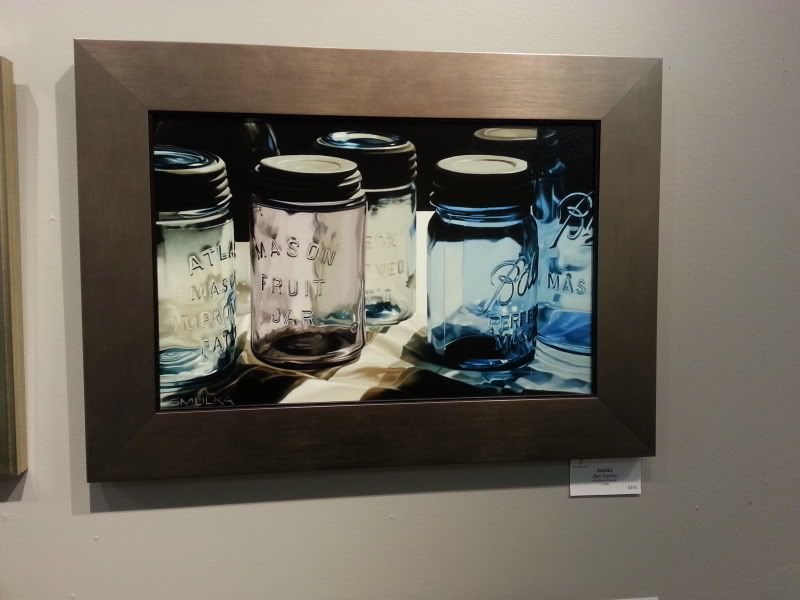
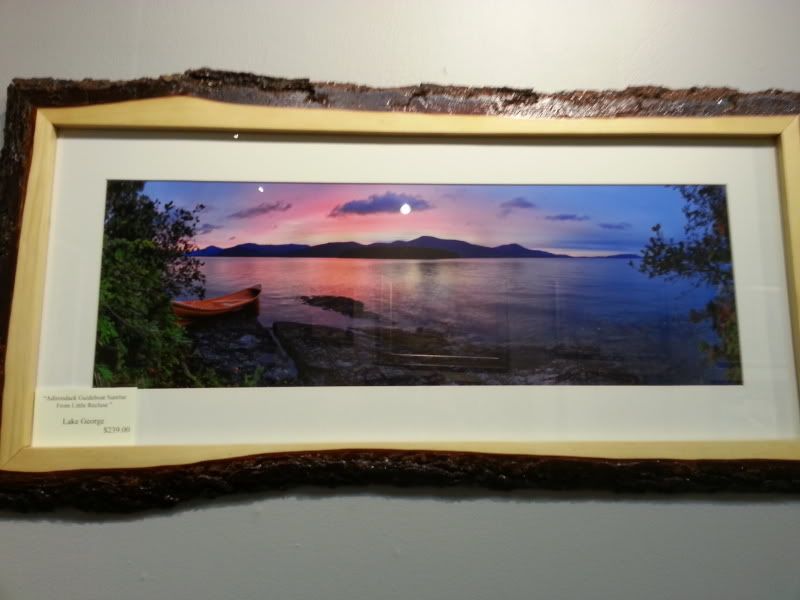
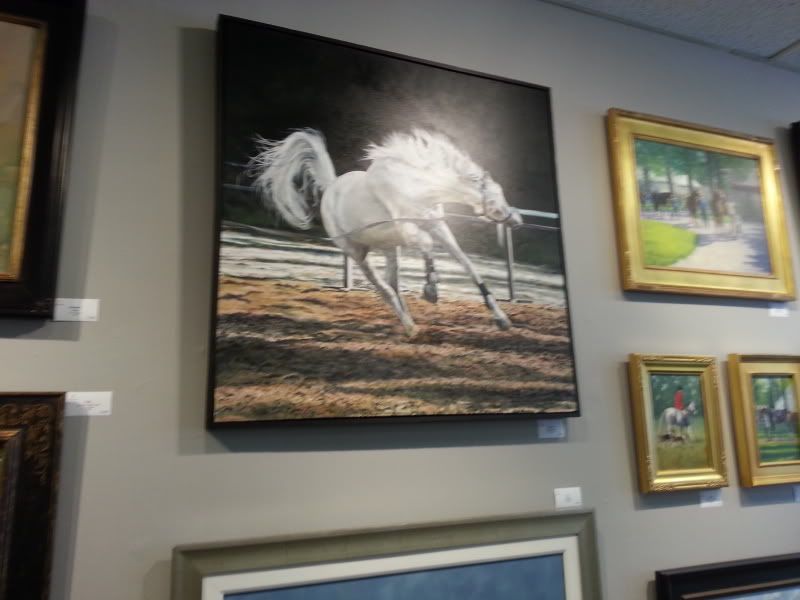
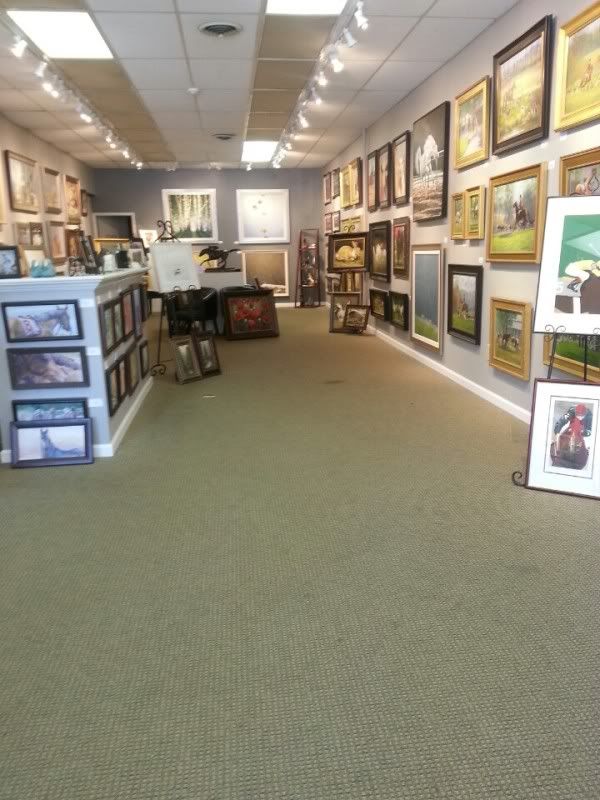
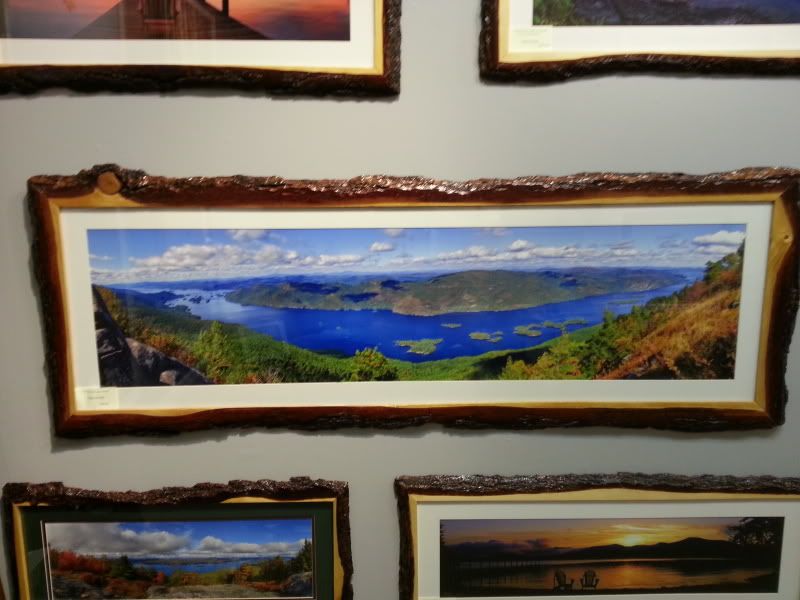
I visited the Spa Fine Art Gallery The first two pieces that struck me, well to be honest all of my selections kind of struck me, but the two that made an impact were 32 Miles Of Lake George and Jam Session by Steve Smulka.

 I think the sheer scale of the first one is what naturally drew me to it, that and it is a photograph which is what I was mainly looking for. Being a photographer myself I was curious to see what other photographers were taking pictures of. I also really loved the colors in this picture. What drew me to Jam Session was how lifelike it looked. Someone could have easily mistaken that for a photograph.

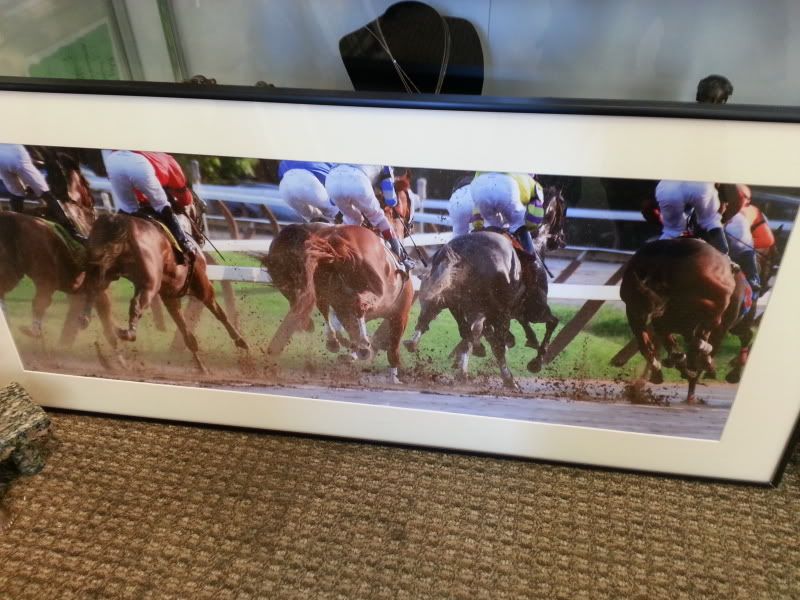
I think the pieces I connected with the most were Adirondack Guide Boat Sunrise from Little Recluse and Midrace by Disney.

 I feel like these are pictures that I myself could have taken, because I like to take shots of scenery with a wide range of color, and when I'm taking pictures on the fly I like to get right in the action.

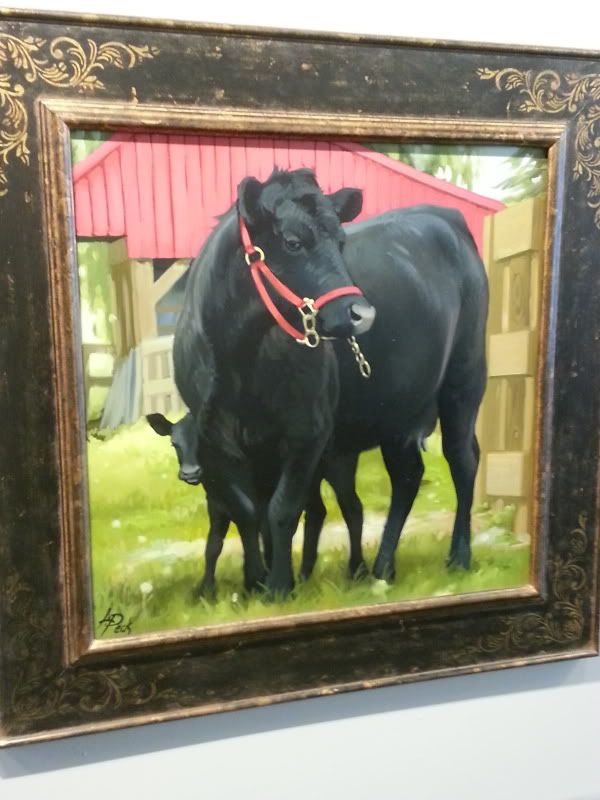
Honestly the pieces I would like to know more about the Lake George pieces but I've already used those, so my third choice I guess would be Dexter With Calf by Leslie Peck and Horse Power by Chammer.

The first piece seems so gentle and calming, while the second piece is very wild and exciting. Both pieces just stand out for some reason and you want to know why.